
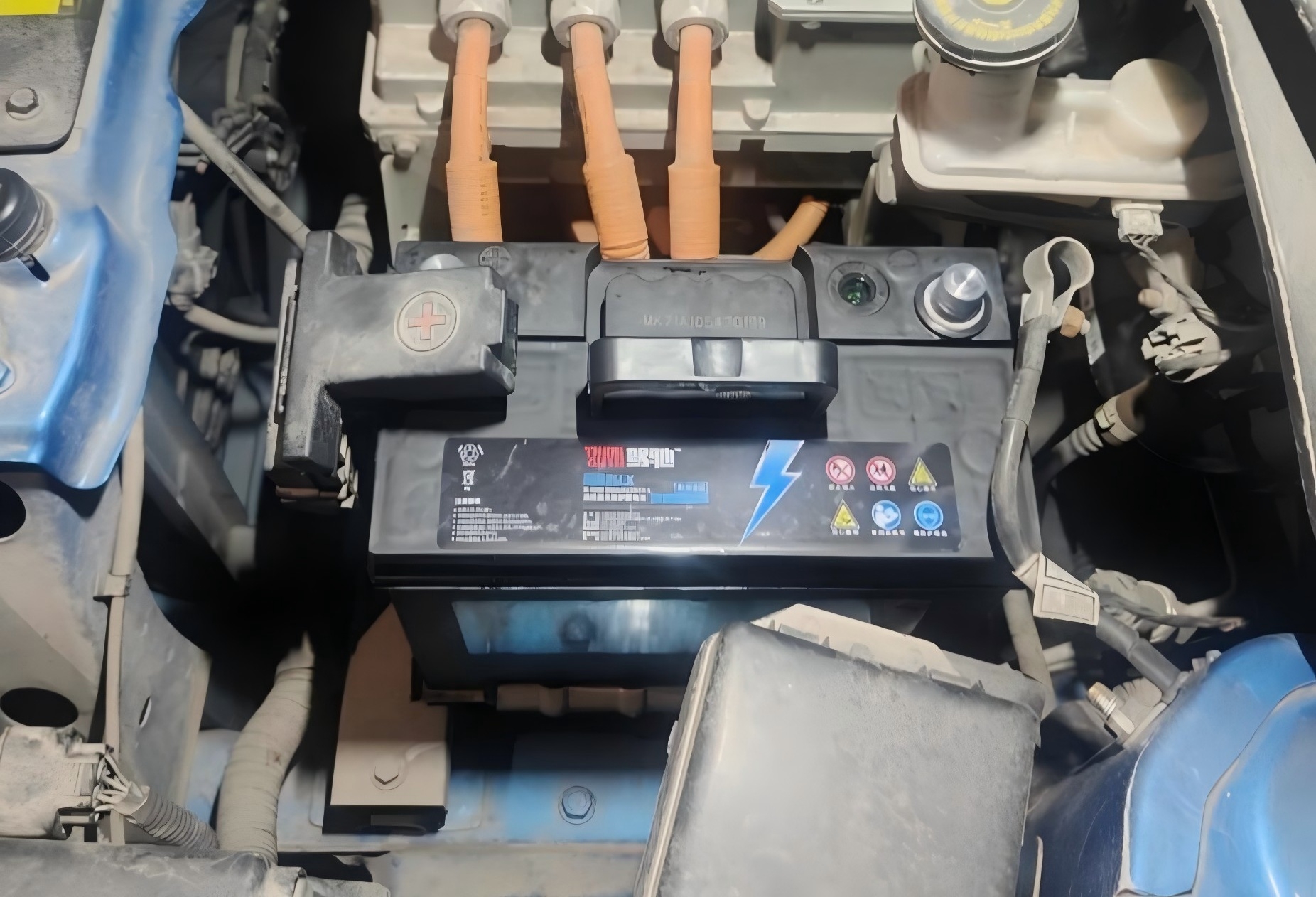
كم تدوم بطاريات السيارات بالفعل؟ شرح العمر الافتراضي للبطارية بالبيانات العلمية والواقعية
بطارية السيارة تعد “مدة الصلاحية” أحد الموضوعات المتعلقة بالسيارات التي يبحث عنها الجميع على جوجل — ومع ذلك، فإن معظم الإجابات المتوفرة على الإنترنت سطحية، حيث تكرر نفس النطاق الزمني "3–5 سنوات" دون تقديم أي تفسير لماذا هل تختلف أعمار الناس إلى هذا الحد أم ماذا؟ حقًا يحدد عمر البطارية. تتعمق هذه المقالة في الموضوع وتجيب على الأسئلة الجوهرية التي غالبًا ما تتجاهلها المقالات الأخرى — مستندةً إلى علم البطاريات والأدلة الميدانية في المناخ البارد التي قدمها مستخدمو بطاريات Powsea في مدينة تشانغجياكو بالصين (وهي منطقة ذات خطوط عرض عالية وبيئة شتوية قاسية).
1. لماذا تختلف مدة عمر البطارية بهذا القدر: المشكلة ليست في البطارية نفسها — بل في طريقة استخدامها
يعتقد معظم الناس أن العمر الافتراضي (مثل 3–5 سنوات) هو خاصية فيزيائية للبطارية نفسها. في الواقع،, يحدد نمط الاستخدام العمر الافتراضي أكثر بكثير من “عدد السنوات المنقضية”. حتى البطاريات المتطابقة في سيارتين متطابقتين قد تختلف أعمارها التشغيلية بشكل كبير.
السبب الرئيسي؟ يتأثر الشيخوخة الكهروكيميائية تأثراً كبيراً بظروف التشغيل، والشحن الجزئي، ودرجة الحرارة، ودورة التشغيل, ، وليس مجرد الوقت أو المسافة المقطوعة.
وإليك الطريقة:
• الرحلات القصيرة والشحن الجزئي
عند القيام برحلات قصيرة متكررة (أقل من 5 كيلومترات)، فإن المولد لا يتم شحنها بالكامل أبدًا البطارية بعد كل عملية تشغيل، حتى تظل البطارية في حالة حالة التفريغ الجزئي لفترات طويلة. وهذا يعزز الكبريتات, ، وهو تكوّن رواسب بلورية صلبة من كبريتات الرصاص على الألواح، وهو ما لا يمكن عكسه عن طريق الشحن العادي. ولا عجب أن تظهر الأبحاث أن الكبريتات هي إحدى آليات الشيخوخة السائدة التي لا رجعة فيها في بطاريات الرصاص الحمضية، كما أنها أحد الأسباب الرئيسية لفقدان السعة بمرور الوقت (Ruetschi، 2004، 127(1)، 33–44. DOI:10.1016/j.jpowsour.2003.09.052).
• البرد القارس (على سبيل المثال، من -15 درجة مئوية إلى -25 درجة مئوية)
في المناخات الباردة مثل تشانغجياكو، تؤدي درجات الحرارة المنخفضة إلى انخفاض حركة أيونات الإلكتروليت،, تخفيض السعة الفعلية إلى 40–50% من القيمة الاسمية عند درجة حرارة -20 درجة مئوية وإلى زيادة حادة في المقاومة الداخلية، مما يجعل عملية التشغيل أكثر صعوبة ويساهم في تسريع عملية التقادم. ويتوافق هذا السلوك مع الآثار المعروفة لدرجات الحرارة المنخفضة على أداء خلايا الرصاص الحمضية: حيث تزداد المقاومة الداخلية وتنخفض السعة مع انخفاض درجة الحرارة، مما يؤدي إلى تدهور عملية الشحن وتوفير الطاقة.
• التشغيل المتكرر والأحمال العالية
كل بداية تضع ارتفاع كبير في التيار (200–600 أمبير+) الضغط على البطارية. تؤدي عمليات التشغيل المتكررة في فترة زمنية قصيرة إلى إجهاد الألواح، وتسريع تآكل الشبكة، وزيادة تساقط المادة الفعالة — وهو عامل معروف يساهم في تقادم البطارية في تطبيقات السيارات (Ruetschi، 2004).
2. القياس العلمي: كيف ينبغي تعريف عمر البطارية فعليًا؟
تكتفي معظم الأدلة الإلكترونية بذكر “3–5 سنوات”. لكن ماذا يعني مصطلح “نهاية العمر الافتراضي” حقًا؟ لا يحدد العلماء عمر البطارية بناءً على عدد السنوات، بل بناءً على القدرة المتبقية على توفير التيار المطلوب بشكل موثوق. في بطاريات تشغيل السيارات:
نهاية العمر الافتراضي = عدم القدرة على توفير تيار تشغيل كافٍ في حالة البرودة أو الاحتفاظ بالشحنة, ، وليس مجرد مرور السنوات.
يُعد تدهور الدورة والشيخوخة الزمنية آليتين مختلفتين: يساهم تكرار الشحن والتفريغ في تآكل البطارية مع كل استخدام، بينما ينتج التقادم الزمني عن تخزين البطارية وهي في حالة تفريغ جزئي، وهو ما يؤدي بدوره إلى تسريع عملية التكلس وتآكل الشبكات.
وهذا يفسر لماذا يؤدي الاستخدام المكثف للرحلات القصيرة في المناخ البارد إلى تقادم البطارية أسرع مما قد يوحي به العمر الظاهري.
3. بيانات حقيقية مستمدة من العمليات في المناطق ذات خطوط العرض العالية: لماذا تعتبر فترة 3-5 سنوات مضللة
غالبًا ما تذكر الأدلة العامة المتعلقة بالإنترنت أن المدة تتراوح بين 3 و5 سنوات متوسطات مستمدة من مناخات خطوط العرض الوسطى وبطاريات معظمتها من السوق الثانوية. أما في المناطق القاسية مثل تشانغجياكو (الحزام البارد في الصين)، فإن البيانات تروي قصة مختلفة:
class=”w-fit min-w-(–thread-content-width)” data-start=”4054″ data-end=”4477″>
| نوع البطارية | العمر الافتراضي (بالسنوات) | معدل نجاح تشغيل المحرك عند درجة حرارة منخفضة تبلغ -20 درجة مئوية | أفضل حالة استخدام |
|---|---|---|---|
| بطارية الرصاص الحمضية القياسية | 2.0–3.5 | ~58% | السيارات ذات الطراز الأساسي، المناطق الأكثر دفئًا |
| نظام التشغيل والإيقاف التلقائي من EFB | 3.5–5.0 | ~75% | السيارات ذات المحرك الاقتصادي الذي يعمل بنظام التشغيل والإيقاف |
| نظام التشغيل والإيقاف التلقائي AGM | 5.0–7.5 | ~92% | السيارات الفاخرة، المناخات الباردة |
النقاط الرئيسية:
تتفوق بطاريات AGM المصنعة من قبل الشركات المصنعة للمعدات الأصلية (OEM) بشكل روتيني على البطاريات المخصصة للمبتدئين من حيث سنوات, ، لا سيما في الطقس البارد.
من بين المركبات الموجودة في تشانغجياكو،, 68 حالة من حالات فشل التشغيل في فصل الشتاء كانت بسبب البطاريات، و83 حالة منها كانت تتعلق بوحدات تم شراؤها من السوق الثانوية أو ذات جودة منخفضة.
وهذا يدل على أن كلا البطاريتين النوع و سياق الاستخدام هي عوامل قابلة للقياس تؤثر على الحياة — أكثر بكثير من مجرد العمر التقويمي.
4. الحقيقة الكهروكيميائية وراء “نفاذ” البطارية”
ثلاثة مترابطة أنماط التلف الكهروكيميائي الذي لا رجعة فيه تستنزف البطارية بمرور الوقت:
أ) الكبريتات
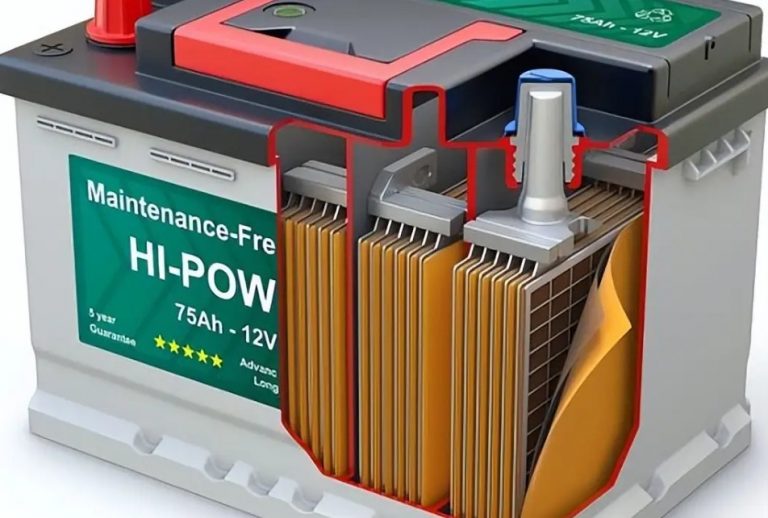
يؤدي تكوّن ونمو بلورات كبيرة من كبريتات الرصاص على الألواح إلى زيادة المقاومة الداخلية وحبس المادة الفعالة بشكل دائم (Ruetschi، 2004، DOI:10.1016/j.jpowsour.2003.09.052).
ب) طبقات الإلكتروليت
تتسبب عمليات الشحن الجزئي المتكررة للبطاريات في تباين كثافة الحمض، مما يؤدي إلى التآكل والاستخدام غير المتكافئ للكتلة النشطة.
ج) تآكل الشبكة
تؤدي درجات الحرارة المرتفعة والشحن الزائد إلى تسريع تآكل هيكل الشبكة الذي يحمل المواد الفعالة، مما يضعف سلامة الألواح.
تؤدي هذه العمليات مجتمعة إلى انخفاض السعة وزيادة المقاومة إلى أن تصبح البطارية عاجزة عن أداء وظيفتها في تشغيل المحرك.
5. دليل عملي للعناية بالبطاريات في الطقس البارد (خاصة في البيئات الباردة مثل شتاء تشانغجياكو)
إليكم ما أثبت فعاليته في الاستخدام العملي — وقد أقرّ به المستخدمون في فصول الشتاء التي تنخفض فيها درجات الحرارة إلى ما دون الصفر، وتدعمه أحدث الأبحاث في مجال البطاريات:
class=”w-fit min-w-(–thread-content-width)” data-start=”6044″ data-end=”6608″>
| إجراء الصيانة | لماذا يُفيد ذلك | الفائدة المتوقعة |
|---|---|---|
| الفحص الشهري للجهد الكهربائي (في حالة السكون) | يكتشف انخفاض مستوى شحن البطارية في وقت مبكر | تنبيهات بشأن تكوّن الكبريتات قبل حدوث العطل |
| إيقاف التشغيل الكهربائي قبل بدء التشغيل ومحاولات محدودة | يخفف التوتر ويطيل عمر البطارية | يزيد من معدلات بدء التشغيل الناجحة |
| الشحن الذكي في وضع السكون لفترات التوقف الطويلة | يمنع حدوث التفريغ الجزئي المزمن | يضيف 1.5 إلى سنتين إلى العمر |
| تحديث AGM بعد حوالي 5 سنوات | أكثر متانة في الظروف الباردة وعند ركوب الدراجات | يقلل من حالات التعطل في فصل الشتاء بنسبة ~75% |
أدلة من الواقع: أفاد المراقبون بـ 82 % انخفاض في شكاوى “عدم التشغيل” بعد التحول إلى بطاريات AGM واتباع إجراءات العناية الذكية في ظروف البرد القارس.
في البيئات شديدة البرودة مثل تشانغجياكو، ماذا عليّ أن أفعل أولاً إذا لم تعمل سيارتي في الصباح؟
بالنسبة للسائقين في المناطق ذات خطوط العرض العالية التي تقل فيها درجات الحرارة عن الصفر (من -15 درجة مئوية إلى -25 درجة مئوية)، مثل تشانغجياكو، فإن الخطوة الأولى هي اتباع تقنيات محددة للحفاظ على عمر البطارية في فصل الشتاء بدلاً من تشغيل المحرك مرارًا وتكرارًا، مما قد يؤدي إلى تلف البطارية بشكل دائم.
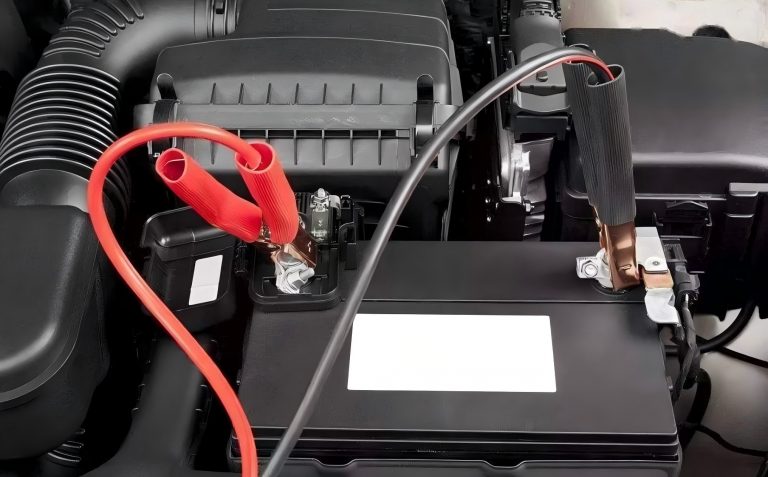
الإجراءات الأولية خطوة بخطوة (استنادًا إلى إرشادات Powsea Battery العملية):
أوقف تشغيل جميع الأجهزة الكهربائية قبل البدء
أوقف تشغيل المصابيح الأمامية، والتدفئة، والراديو، وغيرها من الملحقات.
وهذا يقلل من استهلاك التيار ويمنع التفريغ الشديد للبطارية.
تحقق من جهد البطارية في حالة السكون
استخدم جهاز قياس متعدد لقياس الجهد الكهربائي بعد توقف السيارة لمدة 12 ساعة على الأقل.
الترجمة:
الجهد <12.4 فولت → السعة <75%
الجهد <12.2 فولت → من المحتمل أن يكون التكبّض قد بدأ، وقد تكون البطارية قد تعرضت للتلف
افحص أطراف البطارية
تحقق من وجود أي تآكل (رواسب خضراء/بيضاء). قم بالتنظيف إذا لزم الأمر للحفاظ على التلامس الجيد.
تحديد عدد محاولات البدء
ثلاث مباريات متتالية كحد أقصى
يجب ألا تتجاوز مدة كل محاولة 5 ثوانٍ، مع الانتظار لمدة لا تقل عن 30 ثانية بين المحاولات
وهذا يمنع تلف الألواح بسبب التيار العالي ويقلل من تآكل الشبكة
الوقوف لفترات طويلة أو التوقف لعدة أيام
افصل الطرف السالب أو استخدم شاحنًا ذكيًّا للحفاظ على شحن تعويم بمستوى 13.2 فولت
يمنع التفريغ الذاتي وتراكم الشحنات الكهربائية
إذا كانت البطارية لا تزال ضعيفة
ضع في اعتبارك تحديث بطارية AGM, ، والتي توفر تيار تشغيل أعلى في درجات الحرارة تحت الصفر
في تشانغجياكو، أدى التحول إلى استخدام بطاريات AGM إلى انخفاض شكاوى “عدم التشغيل” في فصل الشتاء بنسبة 82%
6. دحض الأساطير الشائعة حول البطاريات
دعونا نوضح خمسة مفاهيم خاطئة شائعة بالاستناد إلى الحقائق:
class=”w-fit min-w-(–thread-content-width)” data-start=”6868″ data-end=”7604″>
| مفهوم خاطئ | الواقع |
|---|---|
| “لا تحتاج إلى صيانة يعني أنه لا حاجة إلى صيانة.” | خطأ. “عبارة ”لا تحتاج إلى صيانة" تعني فقط عدم الحاجة إلى إضافة الماء؛ والتكلس وتآكل الشبكة لا تزال تحدث. |
| “12.6 فولت = بطارية سليمة.” | خطأ. لا يكفي الجهد وحده لتحديد حالة البطارية؛ فالمقاومة الداخلية والسعة لهما أهمية أكبر. |
| “زيادة الضغط على دواسة الوقود تساعد في الانطلاق.” | خطير. قد يؤدي الوقود الزائد إلى غمر الأسطوانة، مما يجعل عملية التشغيل أصعب. |
| “التآكل الأخضر غير ضار.” | غير صحيح. يشير لون كبريتات النحاس الأخضر إلى وجود مشاكل خطيرة في مقاومة التلامس. |
| “تساعد شواحن السيارات الكهربائية السريعة في شحن بطاريات التشغيل ذات الجهد 12 فولت.” | غير صحيح. وهي مصممة لبطاريات الدفع عالية الجهد، وليست لبطاريات الرصاص الحمضية ذات الجهد 12 فولت. |
7. الخلاصة: عمر البطارية هو نظام، وليس مجرد رقم
عمر بطارية السيارة ليس مجرد خاصية يمكن تحديدها بـ“3–5 سنوات” — بل هو نتيجة لعمليات كيميائية بالإضافة إلى أنماط الاستخدام بالإضافة إلى بيئة التشغيل. تفسر آليات الشيخوخة العلمية (التكلس، والتآكل، والتقسيم الطبقي) سبب تسريع الرحلات القصيرة ودرجات الحرارة المنخفضة وسوء الشحن من حدوث الأعطال، في حين أن العناية المناسبة واختيار نوع البطارية الصحيح يمكن أن يطيل العمر الافتراضي بشكل كبير.
من خلال التركيز على الفيزياء والكيمياء الفعليتين الأسباب الكامنة وراء الشيخوخة، وتقديم توصيات في كلا المجالين البحث العلمي و بيانات الأداء في الظروف الفعلية, ، يمكنك تجاوز التقديرات العامة لتتخذ قرارات أكثر ذكاءً بشأن اختيار البطاريات وصيانتها.
الأسئلة الشائعة حول عمر بطارية السيارة
1. ما هي المدة التي تدوم فيها بطاريات السيارات عادةً؟
يختلف عمر بطارية السيارة اختلافًا كبيرًا حسب النوع والاستخدام والمناخ. وعادةً ما تدوم بطاريات الرصاص الحمضية القياسية 2–3.5 سنوات, ، بطاريات EFB لنظام التشغيل والإيقاف 3.5–5 سنوات, ، وبطاريات التشغيل والإيقاف AGM 5–7.5 سنوات في ظل الظروف المثلى. غالبًا ما تتفوق بطاريات المصنعين الأصليين (OEM) على بطاريات السوق الثانوية، لا سيما في المناخات الباردة.
2. لماذا تختلف مدة صلاحية البطاريات المتطابقة؟
تُعزى الاختلافات في متوسط العمر المتوقع في المقام الأول إلى أنماط الاستخدام والعوامل البيئية, ، وليس جودة البطارية وحدها. فالرحلات القصيرة المتكررة، والبرودة الشديدة (أقل من -15 درجة مئوية)، وعمليات التشغيل السريعة المتكررة، كلها عوامل تسرع من شيخوخة البطارية من خلال تكوّن الكبريتات، وتآكل الشبكات، وتساقط المادة الفعالة. وقد تتعطل البطاريات في الظروف القاسية في غضون عامين، في حين أن نفس النوع في الظروف المعتدلة يمكن أن يدوم من 6 إلى 8 أعوام.
3. ما الذي يحدد فعليًّا نهاية عمر بطارية السيارة؟
تُعتبر البطارية “منتهية الصلاحية” عندما تصبح غير قادرة على توفر تيارًا كافيًا لبدء التشغيل على البارد أو تحافظ على الشحن بشكل موثوق, ، وليس فقط عندما يبلغ سنًا معينًا. يُقاس التقدم في العمر في الواقع من خلال انخفاض السعة، وزيادة المقاومة الداخلية، والقدرة على تشغيل المحرك تحت الحمل.
4. هل يمكن أن يؤثر البرد الشديد على أداء البطارية؟
نعم. عند درجة حرارة -20 درجة مئوية، قد توفر بطارية الرصاص الحمضية القياسية 40–50% من سعتها المقدرة, ، مع زيادة المقاومة الداخلية بمقدار 3 إلى 5 أضعاف. وقد يؤدي ذلك إلى صعوبة تشغيل المحرك وتسريع عملية التآكل الكيميائي على المدى الطويل. وتتميز بطاريات AGM بمتانة أكبر بكثير في ظل هذه الظروف.
5. كيف يمكنني إطالة عمر بطارية سيارتي؟
وتشمل الاستراتيجيات العملية ما يلي:
إجراء فحوصات شهرية لجهد السكون للكشف المبكر عن التكلس.
الحد من عدد محاولات التشغيل المتتالية وإيقاف تشغيل الملحقات قبل بدء التشغيل.
استخدام شاحن ذكي مزود بمفتاح تعويم أثناء التخزين لفترات طويلة.
الترقية إلى بطاريات AGM للمناخات الباردة والمركبات التي تتوقف وتُشغَّل بشكل متكرر.
6. هل البطاريات “التي لا تحتاج إلى صيانة” خالية حقًا من الحاجة إلى الصيانة؟
لا. تعني عبارة “لا تحتاج إلى صيانة” فقط عدم الحاجة إلى إضافة الماء. أما التكلس الداخلي وتآكل الشبكة وفقدان السعة، فهي لا تزال تحدث وتتطلب المراقبة الدورية لمنع حدوث أي عطل.
7. كيف تؤثر الرحلات القصيرة على حالة البطارية؟
الرحلات القصيرة التي تقل مسافتها عن 5 كيلومترات تمنع الشحن الكامل، مما يترك البطارية في حالة حالة التفريغ الجزئي. وهذا يعزز الكبريتات, ، وهو السبب الرئيسي الذي لا رجعة فيه لفقدان السعة، وقد يؤدي إلى تقصير عمر البطارية بسنوات.
8. متى يجب عليّ استبدال بطارية سيارتي؟
ينبغي التفكير في الاستبدال في الحالات التالية:
يقل جهد السكون عن 12.2 فولت (بعد 12 ساعة أو أكثر من الراحة).
تتكرر حالات فشل التشغيل البارد.
البطارية تدوم لأكثر من 5–7 سنوات (يمكن أن تدوم بطاريات AGM لفترة أطول في ظل العناية المثلى).
9. هل يمكنني استخدام شواحن السيارات الكهربائية السريعة لإعادة شحن بطارية قياسية بجهد 12 فولت؟
لا. فقد صُممت أجهزة الشحن السريع لبطاريات الدفع عالية الجهد الخاصة بالسيارات الكهربائية. واستخدامها مع بطارية التشغيل ذات الجهد 12 فولت قد تلف البطارية بسبب عدم توافق خصائص الجهد والتيار.
10. ما هي العمليات الكيميائية الرئيسية التي تتسبب في تقادم البطارية؟
الآليات الثلاث الأساسية التي لا رجعة فيها هي:
الكبريتات: تتشكل بلورات صلبة من PbSO₄ على الألواح، مما يعيق تدفق الإلكتروليت.
تدرج الشوارد: تؤدي الكثافة غير المتساوية للحمض إلى تآكل الألواح السفلية.
تآكل الشبكة: تتأكسد شبكات الرصاص والكالسيوم، مما يقلل من سلامة هيكلها وقدرتها على التوصيل.
مرجع
- رويتشي، ب. (2004). آليات تقادم بطاريات الرصاص الحمضية وعمرها التشغيلي. مجلة مصادر الطاقة، 127(1–2)، 33–44. https://doi.org/10.1016/j.jpowsour.2003.09.052
- كونرادت، ر.، شروير، ب.، دازر، م.، فيرت، ج.، يوريس، ف.، شولت، د.، وبيرك، ك. ب. (2023). دراسة شاملة لآليات فشل بطاريات الرصاص المستخدمة في السيارات بعد تعرضها للتقادم في الظروف الميدانية. مجلة «البطاريات»، 9(11)، 553. https://doi.org/10.3390/batteries9110553
- بطارية الرصاص الحمضية. (بدون تاريخ). في ويكيبيديا. تم استرجاعه في فبراير 2026، من https://en.wikipedia.org/wiki/Lead%E2%80%93acid_battery
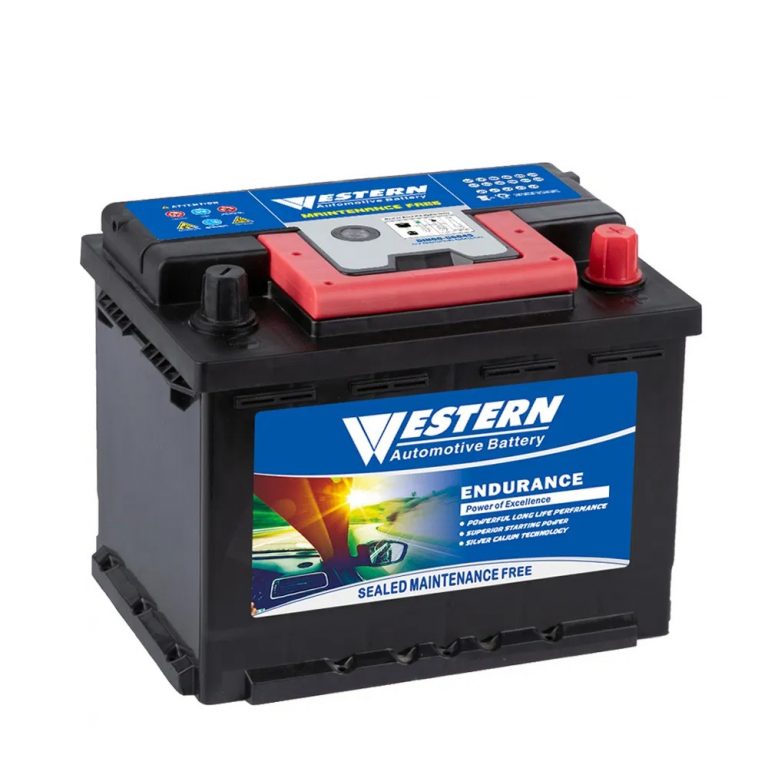
استبدل بطاريتك ببطارية من Powsea
Extend your vehicle’s reliability with Powsea maintenance-free batteries. OEM/ODM manufacturer direct from China.
 Arabic
  English
  Spanish
  Russian
  Portuguese