
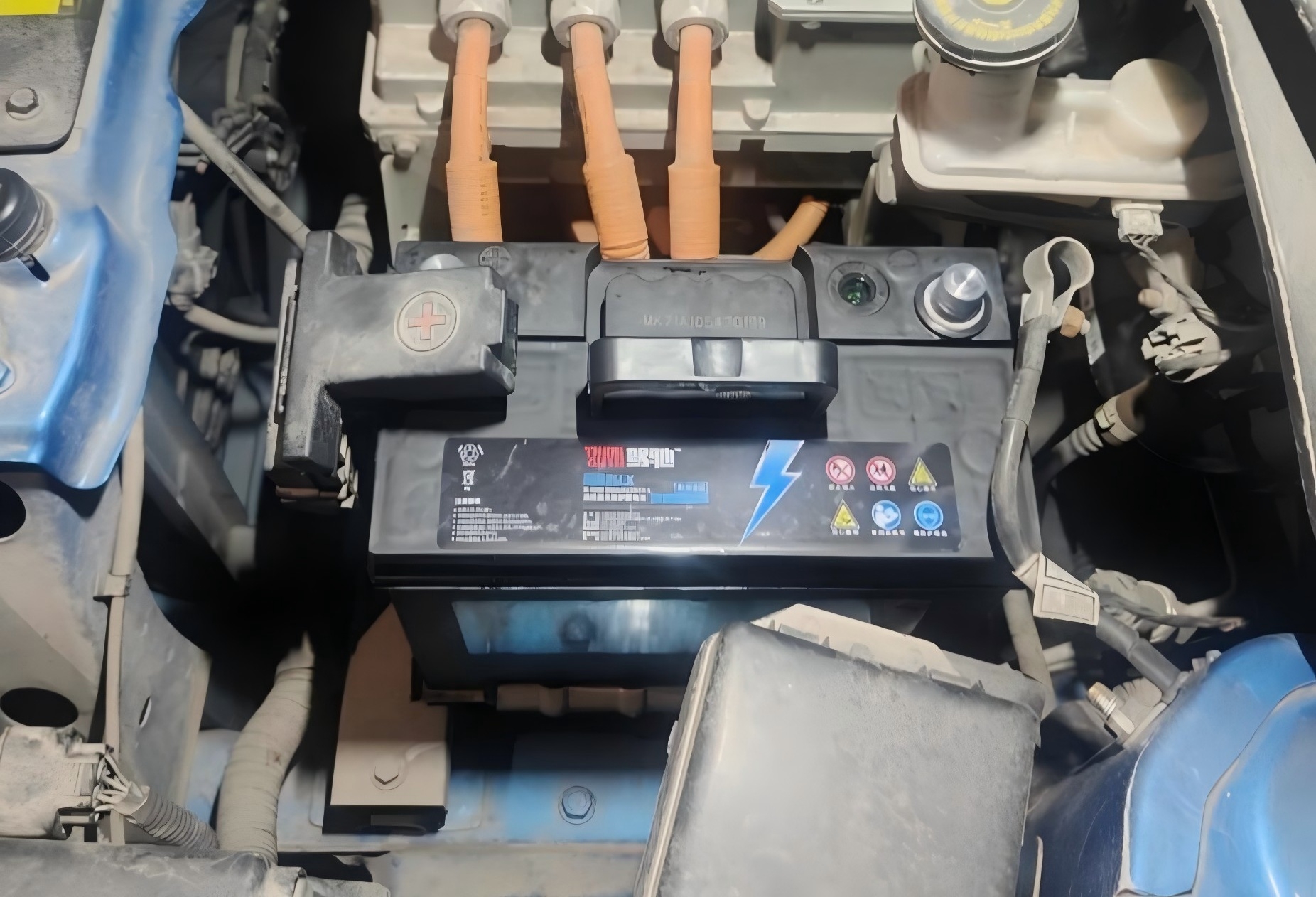
How Long Do Car Batteries Actually Last? Battery Lifespan Explained by Science and Real‑World Data
Car battery lifespan is one of those automotive topics that everyone Googles — yet most online answers are shallow, repeating the same “3–5 years” range without explaining why lifespans differ so widely or what truly determines a battery’s life. This article goes deeper and answers the crucial questions that other posts often ignore — backed by battery science and cold‑climate evidence from Powsea Battery users in Zhangjiakou, China (a high‑latitude, extreme winter environment).
1. Why Battery Lifespans Vary So Much: It’s Not the Battery That Fails — It’s How It’s Used
Most people assume that nominal lifespan (e.g., 3–5 years) is a physical property of the battery itself. In reality, usage pattern determines lifespan far more than “years on the clock”. Even two identical batteries in identical cars can have dramatically different lives.
The core reason? electrochemical aging is strongly influenced by operating condition, partial charging, temperature, and duty cycle, not simply time or mileage.
Here’s how:
• Short Trips and Partial Charging
When you make frequent short trips (<5 km), the alternator never fully recharges the battery after each start, so the battery stays in a partially discharged state for extended periods. This promotes sulfation, the formation of hard lead‑sulfate crystalline deposits on plates that cannot be reversed by normal charging. Unsurprisingly, research shows that sulfation is one of the dominant irreversible aging mechanisms in lead‑acid batteries and a major cause of capacity loss over time (Ruetschi, 2004, 127(1), 33–44. DOI:10.1016/j.jpowsour.2003.09.052).
• Extreme Cold (e.g., ‑15 °C to ‑25 °C)
In cold climates like Zhangjiakou, low temperatures reduce the electrolyte’s ion mobility, lowering actual capacity to 40–50% of rated value at ‑20 °C and sharply increasing internal resistance, making starting harder and contributing to faster aging. This behavior aligns with known cold temperature performance effects on lead‑acid cells: internal resistance increases and capacity drops as temperature falls, degrading charging and power delivery.
• Frequent Starts and High Load
Every start places a large current surge (200–600 A+) demand on the battery. Multiple starts in a short period stress the plates, accelerate grid corrosion, and promote active material shedding — a known contributor to battery aging in automotive applications (Ruetschi, 2004).
2. Scientific Measurement: How Should Battery Lifespan Actually Be Defined?
Most online guides just say “3–5 years.” But what does “end of life” really mean? Scientists define battery life not by age, but by remaining capacity and ability to deliver required current reliably. In automotive starting batteries:
End of life = inability to deliver adequate cold‑cranking current or hold charge, not simply years elapsed.
Cycle degradation and calendar aging are distinct mechanisms: cycling contributes to wear each time the battery is used, while calendar aging results from being stored in a partially discharged state, which itself accelerates sulfation and grid corrosion.
This explains why heavy short‑trip use in a cold climate can age a battery faster than visual calendar age would suggest.
3. Real Data from High‑Latitude Operations: Why 3–5 Years Is Misleading
General internet guides claiming 3–5 years are often averages derived from mid‑latitude climates and mostly aftermarket batteries. In extreme regions like Zhangjiakou (China’s cold belt), data tells a different story:
class=”w-fit min-w-(–thread-content-width)” data-start=”4054″ data-end=”4477″>
| Battery Type | Typical Lifespan (Years) | Cold ‑20 °C Cranking Success Rate | Best Use Case |
|---|---|---|---|
| Standard Lead‑Acid | 2.0–3.5 | ~58% | base‑model cars, warmer regions |
| EFB Start‑Stop | 3.5–5.0 | ~75% | economy stop‑start cars |
| AGM Start‑Stop | 5.0–7.5 | ~92% | premium cars, cold climates |
Key takeaways:
OEM AGM batteries routinely outperform entry‑level units by years, especially in cold conditions.
Among vehicles in Zhangjiakou, 68 % of winter start failures were due to batteries, and 83 % of those were aftermarket or low‑quality units.
This shows that both battery type and usage context are measurable determinants of life — far more than simple calendar age.
4. The Electrochemical Truth Behind Battery “Death”
Three interlocking irreversible electrochemical damage modes consume a battery over time:
a) Sulfation
Formation and growth of large lead‑sulfate crystals on plates increases internal resistance and permanently traps active material (Ruetschi, 2004, DOI:10.1016/j.jpowsour.2003.09.052).
b) Electrolyte Stratification
Uneven acid density develops when batteries are repeatedly only partially charged, promoting corrosion and uneven active mass utilization.
c) Grid Corrosion
High temperatures and overcharging accelerate corrosion of the grid structure that holds active materials, weakening plate integrity.
Together, these processes reduce capacity and increase resistance until the battery can no longer fulfill its starting function.
5. Practical Survival Guide for Cold‑Weather Battery Care (Especially in Cold environment like Zhangjiakou’s winnter)
Here’s what works in the field — validated by users in sub‑zero winters and supported by battery science:
class=”w-fit min-w-(–thread-content-width)” data-start=”6044″ data-end=”6608″>
| Maintenance Action | Why It Helps | Expected Benefit |
|---|---|---|
| Monthly voltage check (resting) | Detects low SoC early | Alerts to sulfation before failure |
| Pre‑start electrical shutdown & limited attempts | Reduces stress and deep discharge | Increases successful starts |
| Smart float charging for long idle periods | Prevents chronic partial discharge | Adds 1.5–2 years of life |
| AGM upgrade after ~5 years | More robust under cold and cycling | Reduces winter failures by ~75% |
Real world evidence: observers report an 82 % reduction in “no start” complaints after switching to AGM and smart care routines in extreme cold.
In extremely cold environments like Zhangjiakou, what should I do first if my car won’t start in the morning?
For drivers in high‑latitude, sub‑zero regions (‑15 °C to ‑25 °C), such as Zhangjiakou, the first step is to follow specific winter battery survival techniques rather than repeatedly cranking the engine, which can permanently damage the battery.
Step-by-step first actions (based on Powsea Battery real-world guidance):
Turn off all electrical loads before starting
Switch off headlights, heater, radio, and other accessories.
This reduces the current draw and prevents deep discharge of the battery.
Check resting battery voltage
Use a multimeter to measure voltage after the car has been off for at least 12 hours.
Interpretation:
Voltage <12.4 V → capacity <75%
Voltage <12.2 V → sulfation has likely started, battery may be compromised
Inspect battery terminals
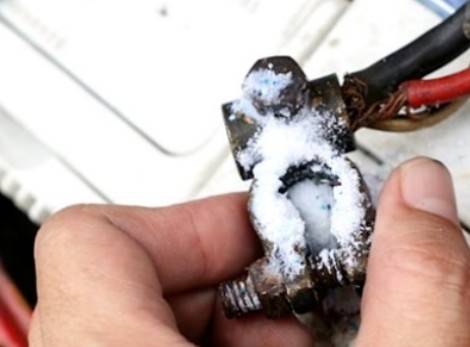
Look for corrosion (green/white deposits). Clean if necessary to maintain good contact.
Limit starting attempts
Maximum 3 consecutive starts
Each start ≤5 seconds, wait ≥30 seconds between attempts
This prevents high-current damage to the plates and reduces grid corrosion
Long-term parking or multiple days idle
Disconnect the negative terminal or use a smart charger to maintain 13.2 V float charge
Prevents self-discharge and electrolyte stratification
If battery is still weak
Consider AGM battery upgrade, which provides higher cold-cranking current in sub‑zero temperatures
In Zhangjiakou, switching to AGM reduced winter “no-start” complaints by 82%
6. Smashing Common Battery Myths
Let’s clear up five widespread misunderstandings with facts:
class=”w-fit min-w-(–thread-content-width)” data-start=”6868″ data-end=”7604″>
| Misconception | Reality |
|---|---|
| “Maintenance‑free means no maintenance needed.” | False. “Maintenance‑free” only means no water top‑ups; sulfation and grid corrosion still occur. |
| “12.6 V = Healthy battery.” | False. Voltage alone doesn’t reveal state‑of‑health; internal resistance and capacity matter more. |
| “More throttle helps starts.” | Dangerous. Extra fuel can flood the cylinder, making starts harder. |
| “Green corrosion is harmless.” | Incorrect. Green copper sulfate indicates serious contact resistance issues. |
| “Fast EV chargers help 12 V starter batteries.” | Incorrect. They’re designed for high‑voltage propulsion batteries, not 12 V lead‑acid. |
7. Conclusion: Battery Life Is a System, Not a Number
Car battery life is not a simple “3–5 year” property — it’s an outcome of chemistry plus usage patterns plus operating environment. Scientific aging mechanisms (sulfation, corrosion, stratification) explain why short trips, low temperatures, and poor charging accelerate failure, while proper care and choosing the right battery type can extend life dramatically.
By focusing on the actual physics and chemistry behind aging, and grounding recommendations in both scientific research and real world performance data, you can go well beyond generic estimates to make smarter decisions about battery selection and maintenance.
Car Battery Lifespan FAQ
1. How long do car batteries typically last?
Car battery lifespan varies widely depending on type, usage, and climate. Standard lead-acid batteries generally last 2–3.5 years, EFB start-stop batteries 3.5–5 years, and AGM start-stop batteries 5–7.5 years under optimal conditions. OEM batteries often outperform aftermarket batteries, especially in cold climates.
2. Why do identical batteries have different lifespans?
Lifespan differences are caused primarily by usage patterns and environmental factors, not battery quality alone. Frequent short trips, extreme cold (<‑15 °C), and repeated rapid starts accelerate aging through sulfation, grid corrosion, and active material shedding. Batteries in harsh conditions may fail in 2 years, while the same type in mild conditions can last 6–8 years.
3. What really determines a car battery’s end of life?
A battery is considered “end-of-life” when it can no longer deliver sufficient cold-cranking current or hold charge reliably, not simply when it reaches a certain age. Real-world aging is measured by capacity loss, internal resistance increase, and ability to start the engine under load.
4. Can extreme cold affect battery performance?
Yes. At ‑20 °C, a standard lead-acid battery may only provide 40–50% of its rated capacity, with internal resistance increasing 3–5 times. This can make engine starting difficult and accelerates long-term chemical degradation. AGM batteries are much more robust under these conditions.
5. How can I extend my car battery’s life?
Practical strategies include:
Monthly resting voltage checks to catch early sulfation.
Limiting consecutive start attempts and turning off accessories before starting.
Using a smart float charger during long-term storage.
Upgrading to AGM batteries for cold climates and stop-start vehicles.
6. Are “maintenance-free” batteries truly maintenance-free?
No. “Maintenance-free” refers only to the elimination of water top-ups. Internal sulfation, grid corrosion, and capacity loss still occur and require periodic monitoring to prevent failure.
7. How do short trips affect battery health?
Frequent trips under 5 km prevent full recharge, leaving the battery in a partially discharged state. This promotes sulfation, which is the primary irreversible cause of capacity loss and can shorten battery life by years.
8. When should I replace my car battery?
Replacement should be considered when:
Resting voltage is below 12.2 V (after 12+ hour rest).
Cold-start failures occur repeatedly.
The battery is more than 5–7 years old (AGM batteries can last longer under ideal care).
9. Can I use EV fast chargers to recharge a standard 12 V battery?
No. Fast chargers are designed for high-voltage EV traction batteries. Using them on a starter 12 V battery can damage the battery due to incompatible voltage and current profiles.
10. What are the main chemical processes that cause battery aging?
The three primary irreversible mechanisms are:
Sulfation: Hard PbSO₄ crystals form on plates, blocking electrolyte flow.
Electrolyte stratification: Uneven acid density corrodes lower plates.
Grid corrosion: Lead-calcium grids oxidize, reducing structural integrity and conductivity.
Reference
- Ruetschi, P. (2004). Aging mechanisms and service life of lead–acid batteries. Journal of Power Sources, 127(1–2), 33–44. https://doi.org/10.1016/j.jpowsour.2003.09.052
- Conradt, R., Schröer, P., Dazer, M., Wirth, J., Jöris, F., Schulte, D., & Birke, K. P. (2023). Comprehensive study of failure mechanisms of field‑aged automotive lead batteries. Batteries, 9(11), 553. https://doi.org/10.3390/batteries9110553
- Lead‑acid battery. (n.d.). In Wikipedia. Retrieved February 2026, from https://en.wikipedia.org/wiki/Lead%E2%80%93acid_battery
Replace Your Battery with Powsea
Extend your vehicle’s reliability with Powsea maintenance-free batteries. OEM/ODM manufacturer direct from China.


 English
  Spanish
  Arabic
  Russian
  Portuguese